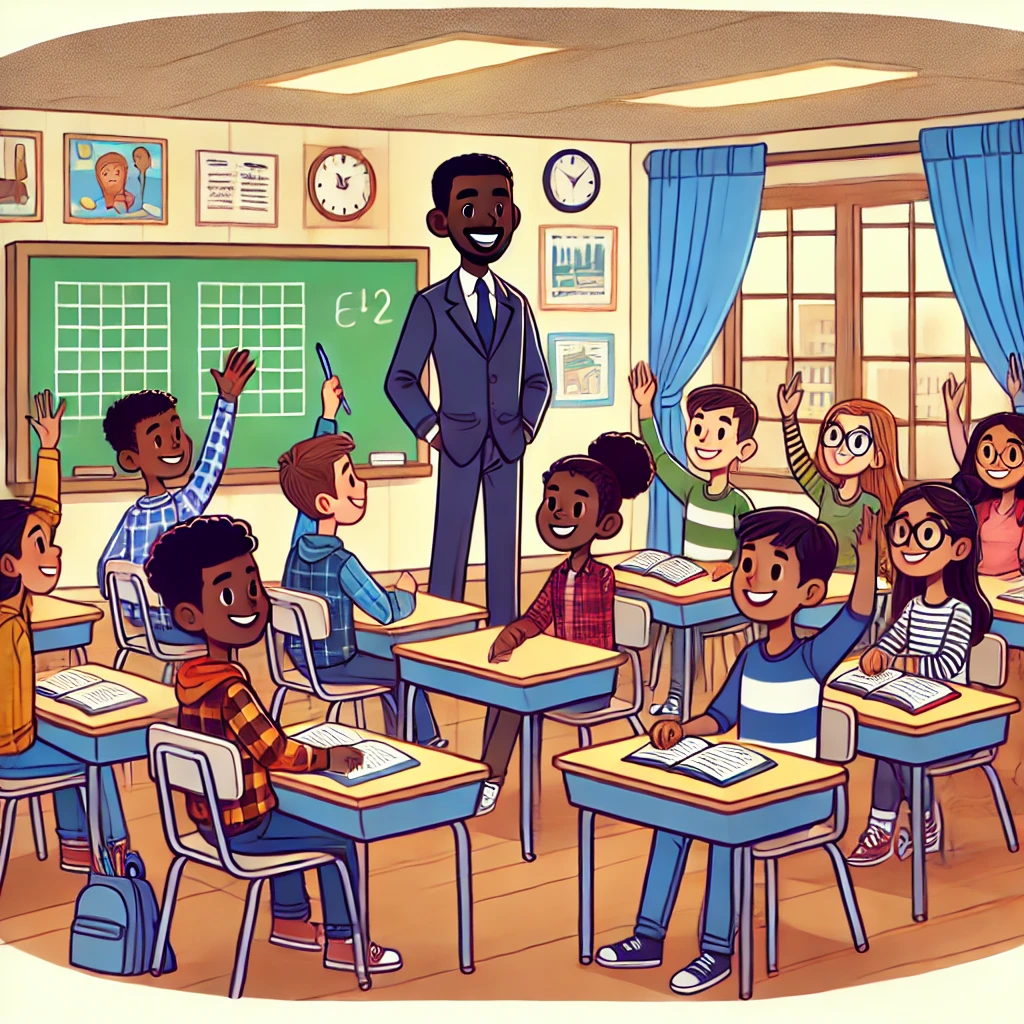
Scottie, Malik, and Mialee relaxed in the living room after another busy day, sipping tea and reflecting on their classrooms. Scottie looked thoughtful, then broke the calm.
“Mialee, during today’s faculty meeting, our dean mentioned that the district’s new literacy plan is really pushing cold calling as an engagement strategy,” Scottie began. “I’ve tried it before, but mostly randomly—no real strategy behind it. Could you walk me through how you use it? I’m ready to take some serious notes this time!”
Mialee set her cup down, smiling. “Of course! Cold calling can be effective, but it’s all about how you introduce it. I’ve found success by being intentional, but I’ve also had moments where it didn’t go as planned. There’s actually a fantastic guide on cold calling that’s helped me refine my approach. Once I started following some of its suggestions, I saw a real difference in my student participation. It’s like more students participate voluntarily, and the number of students who answer questions has increased.”
Malik leaned forward, intrigued. “Yea. Send that my way. My biggest issue is that some students totally shut down when I call on them.”
Mialee nodded. “Yep, that happens! I remember cold-calling a student once, and she outright said, ‘I don’t want to answer!’ Her tone was pretty harsh, and it threw me off—I thought I had asked in a warm way.”
“Whew! Not she told you she didn’t want to answer.” Scottie said, looking slightly annoyed. “So, how do you get them to feel more comfortable with responding?”
“I start by setting clear expectations,” Mialee explained. “I tell my students upfront that cold calling is something we’ll use regularly to ensure everyone gets a voice. I explain it’s about skill-building—skills they’ll need in careers like being an attorney, journalist, entertainer, or business owner, where speaking up, thinking on their feet, and actively listening are important. Plus, they know they can pass if they’re not ready, which helps ease the pressure.”
Malik raised an eyebrow. “Wait—you let them pass? Doesn’t that make it easier for them to just opt out?”
Mialee smiled. “Actually, no. When students know they can pass, they’re less anxious and more willing to engage overall. And if I notice someone passing too often, I check in with them privately to see if they need extra support. If I ever see a pattern with multiple students passing, I re-explain to the class that cold calling is about learning together and that they’re encouraged to share their ideas. I even ask for their input on making it work better for everyone, which helps create a sense of shared purpose.”
Scottie’s eyes lit up. “I like that! Getting their input makes it feel more collaborative, like we’re all in this together.”
“Exactly,” Mialee agreed. “Another tip from the guide is to give them time to think before I call on anyone. I’ll ask the question, let it settle, and even let them chat in pairs or small groups before cold calling. That way, they feel prepared instead of pressured.”
Malik grinned. “Yeah, I’ve definitely used it to get the attention of kids who were off-task, like ‘Alright, Jonathan, since you’re talking, what’s the answer?’ Definitely didn’t make it feel like an invitation.”
Mialee laughed. “We’ve all done that! But the guide emphasizes using cold calling strictly for engagement, not as a form of discipline. Now, if I see students chatting, I use non-verbal cues like moving closer to their desks or making eye contact. I save cold calling for true engagement, so it doesn’t feel punitive.”
Scottie smiled, taking notes. “So, I’ll explain the purpose upfront, give them time to think, allow passing, and even let them discuss with a partner first if needed. That way, it’s a chance to participate, not a test.”
“That’s it!” Mialee encouraged. “And if you try this consistently but still find it’s not working, the guide suggests reaching out to a coach or observing a colleague. It took me a lot of practice and tweaks to get comfortable with it.”
Scottie looked up, impressed. “This guide is seriously good, Mialee. I’m definitely going to share it with my dean and my coworkers. It could help us all use cold calling more effectively and make students feel like they’re building real-world skills every time they participate.”
Mialee smiled. “I’m so glad you think so. The guide really frames cold calling as a way for students to grow—whether it’s in critical thinking, active listening, or public speaking—and when students see that, they approach it with a whole new mindset.”
Malik nodded, feeling more prepared. He turned to Scottie with a nod. “Thanks for bringing this to the group, homie! That’s what’s up—I’m definitely trying this out tomorrow.”
Reflection Questions:
1. How can you create a supportive classroom environment where students feel comfortable engaging with cold calling, and what steps will you take to build trust with your students?
2. What adjustments can you make to ensure cold calling feels like an opportunity for learning rather than a disciplinary tool? How can you use tone, timing, and preparation to make cold calling more effective?
3. How can framing cold calling as a skill-building exercise in critical thinking, active listening, and public speaking help shift students’ perspectives on this technique? How will you communicate these benefits to your students?
Check out this video. I share personal experiences with using the technique.
With love and student engagement,
Tamera
 Tamera Malone
Leave a comment