When I learned that an estimated 89 million Americans—about 36% of the country’s voting-eligible population—did not vote in the 2024 general election, I was shaken, not surprised, by the level of disengagement. In my hometown, Shelby County, voter turnout was the lowest for a presidential general election since 1968. Nineteen sixty-eight!
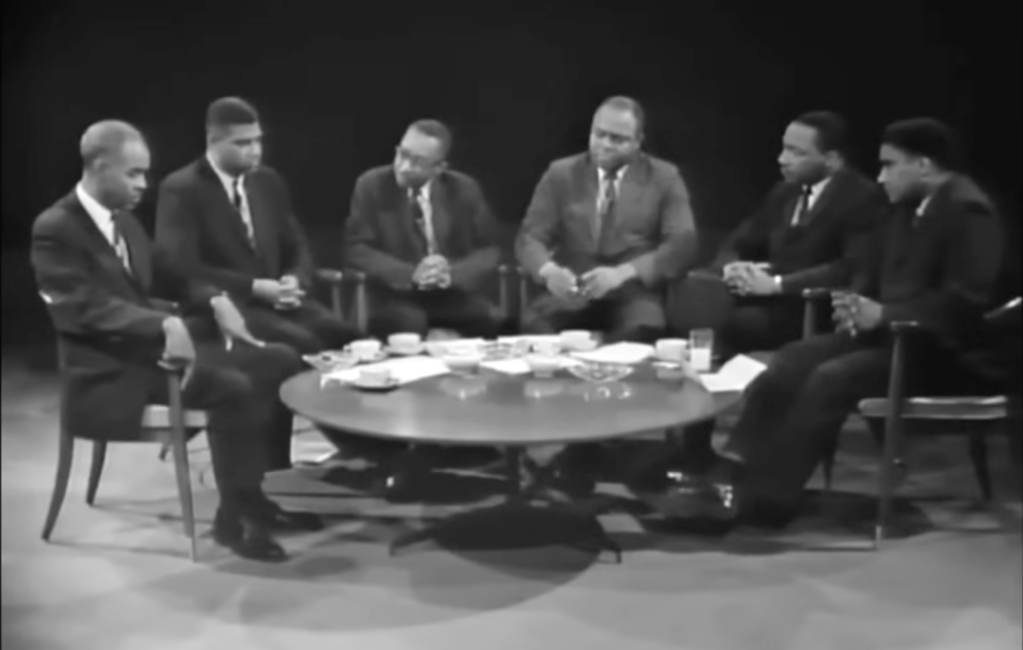
These numbers reminded me of a profound discussion among civil rights leaders in 1963, including Dr. Martin Luther King Jr., whose words still resonate deeply. He said, with slight adaptation:
“We are grappling with a problem that constantly emerges in history. There are a few people who are crusaders in the right direction, and there are always a few people who are crusaders in the wrong direction. The vast majority are out there in the middle somewhere with a great deal of apathy and complacency, and I think we have this in our country today. The vast majority of people are not active integrationists or active segregationists; they are passive adherents to the status quo.
The job here is for the creative minority to work on this large group because I think these people are pliable to the legitimate and just demands of the negro. I do not choose to follow the path of despair. There is a way out, even though we have to face the problems and conditions that have developed due to oppression’s long-term existence. I think there is a way out, and with the creative minority standing up to solve this problem, we can solve it.”
As I mentioned earlier, voter turnout for the last general election in my hometown was the lowest for a presidential general election since 1968. Approximately 275,000 Shelby County eligible voters chose not to participate—a significant number of voices left unheard. And that figure doesn’t even account for those who are eligible to vote but have not registered.
As Dr. Martin Luther King Jr. said, there are those who move in the right direction, those who move in the wrong direction, and then there are those who remain apathetic and complacent—the ones who choose to stay home on the couch.
Despite being “passive adherents to the status quo,” as Dr. King described, I believe this group is pliable and capable of being influenced or inspired to take action. His charge to the creative minority was clear: engage these individuals, inspire them to act, and hold elected officials accountable. I consider myself part of that creative minority, and King’s challenge feels as urgent today as ever.
This leads me to ask: how? What strategies will actually move the needle with this large group of disengaged individuals? How do we meet them where they are and inspire action—action that fits their unique needs and circumstances?
It begins with understanding. What do these individuals want for themselves, their families, and their communities? What pain points or unmet needs are shaping their lives? When we identify these needs, we can start connecting them to the purpose of our collective systems.
After all, we elect representatives to ensure our needs are addressed and to create policies and systems that serve us. The challenge is aligning those personal needs with leaders who can deliver on them—and motivating individuals to demand that alignment through their engagement.
This is about more than just voting, though voting is the ultimate goal. It’s about meeting people at their current level of engagement and inspiring action, however small. Maybe it’s attending a local meeting, signing a petition, donating $5, or volunteering to knock on doors. These steps may seem minor, but they’re transformative when multiplied across a community. Every action builds momentum.
Consider this: 275,000 people stayed on the sidelines. Imagine what we could achieve if even a fraction of them took action. Imagine if they became informed, engaged citizens who held their representatives accountable. The ripple effect of such participation could reshape our communities, our policies, and ultimately, our lives.
Our task is clear: understand where these individuals are, connect their needs to the right solutions, and inspire them to act. Whether it’s by casting a ballot or contributing in another way, every step counts. Together, we can create a community that thrives—a place where everyone has the opportunity to reach their full potential and make meaningful contributions to society. Let’s start by getting those 275,000 people off the couch. The impact could be monumental.
As Dr. King said, “I do not choose to follow the path of despair.” I am one of those people who dares to hope. I believe there is a way out. I believe deeply in the power of the people and in our collective ability to shape the future through knowledge, action, and reflection. I believe citizens can be convinced to engage in decision-making and take steps toward a better, more inclusive community.
The question of how has been my focus over the last few months, and while the answers may not be simple, I know that understanding, connection, and action are the foundation. Together, we can turn hope into strategy, and strategy into impact. The long road is ahead of us—but so is the possibility of transformation.
I’ll share more of my thoughts soon, but in the meantime, check out this YouTube video to explore and deepen your understanding of the concepts of Humanization and Dehumanization.
With love and engaged citizens,
Tamera
 Tamera Malone
Leave a comment